Home Insurance in Miami: Protecting Your Piece of Paradise From Hurricanes, Floods, and Everyday Risks
What Makes Home Insurance in Miami Unique?
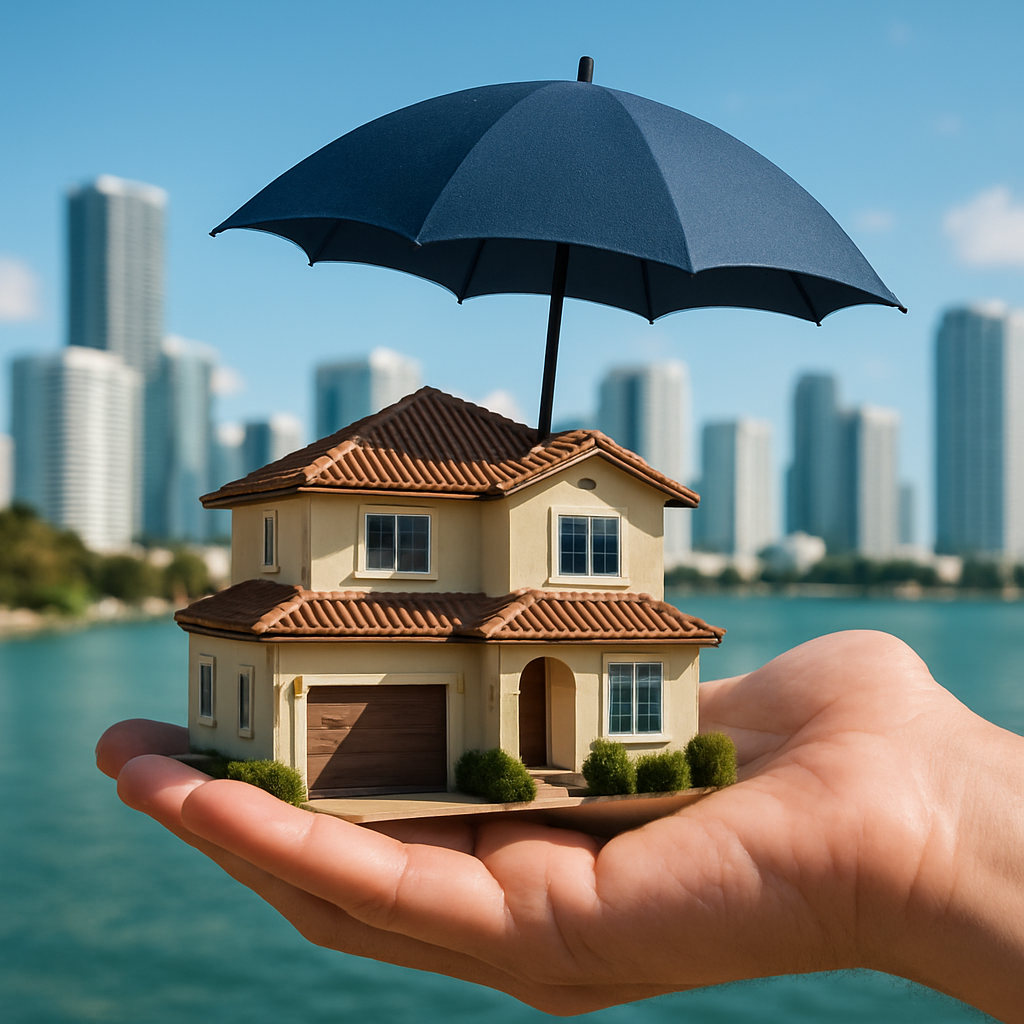
Miami living means sunshine, salty breezes, and a fast-paced coastal lifestyle—but it also means planning for hurricanes, windstorms, and water-related losses. The local housing stock ranges from oceanfront condos to historic bungalows and modern CBS (concrete block and stucco) construction. Each brings different risks that shape what strong home insurance should look like in this city.
First, wind is the headline risk. South Florida sits in the heart of hurricane country, and most policies here carry a separate hurricane deductible—often 2%, 5%, or 10% of your dwelling limit—triggered by named storms. That deductible can be significantly higher than your standard “all other perils” deductible, so understanding how it applies is essential to planning your out-of-pocket costs. Miami-Dade’s High Velocity Hurricane Zone building codes push for impact-rated openings and roof-to-wall connections, and insurers reward those features with wind mitigation credits when documented through an approved inspection.
Second, flood is excluded from standard home policies. Storm surge and heavy rainfall are real concerns across areas like Miami Beach, Edgewater, Brickell’s bayfront pockets, and parts of Coconut Grove and Little Havana with older drainage. Separate flood insurance—through the NFIP or private market—fills that gap. Many condo owners also discover a need for flood coverage when the association deductible or special assessments come into play after a surge event.
Third, market conditions in Florida can influence carrier availability, roof eligibility, and pricing. Homes with older roofs, certain electrical panels (like some Federal Pacific or Zinsco models), polybutylene plumbing, or cast-iron drain lines often face underwriting scrutiny. A 4-point inspection and a wind mitigation inspection are common asks for homes beyond a certain age. Some properties may only be eligible for state-backed options like Citizens Property Insurance if private carriers decline; in such cases, extra rules, such as flood requirements or assessment surcharges, may apply.
Finally, timing matters. When a storm is approaching, many carriers impose temporary binding restrictions, meaning new coverage or changes can’t be issued until the event passes. Planning ahead—especially before June 1—helps you avoid last-minute surprises and ensures your Miami home insurance is ready for peak hurricane season.
Key Coverages to Get Right in Miami
Strong home insurance isn’t a one-size-fits-all purchase. In Miami, the right configuration anticipates both high-wind events and everyday losses like water damage. Start with the core pieces: Coverage A (Dwelling) should reflect the cost to rebuild your home to Miami-Dade code, not its market value. Coverage B (Other Structures) protects fences and detached structures, while Coverage C (Personal Property) protects belongings—ideally at replacement cost rather than actual cash value to avoid depreciation at claim time. Coverage D (Loss of Use) pays for a place to live if a covered claim forces you out, a crucial benefit when post-storm hotel costs surge. Coverage E (Liability) and Coverage F (Medical Payments) protect you if someone is injured on your property.
Because Miami homes must meet strict building codes, Ordinance or Law coverage becomes especially important. This pays for the extra cost to rebuild to current code after a covered loss—commonly set at 25% or 50% of the dwelling limit. Without it, required upgrades after a hurricane or fire can become an unexpected out-of-pocket expense. Screen enclosures, docks, and outdoor structures may be limited or excluded by some carriers; review endorsements carefully if your lifestyle leans on outdoor living spaces.
Water damage deserves extra scrutiny. Standard policies often limit sudden and accidental water coverage and may restrict older plumbing systems. A water backup endorsement adds protection if a drain or sewer line backs up into your home. Some carriers offer service line and equipment breakdown endorsements to protect buried utilities and critical systems like air conditioning—key in Miami’s climate. For roofs, confirm whether your policy pays at replacement cost or depreciated value and whether a “roof surfacing payment schedule” applies, which can reduce payouts on older roofs.
Condo owners (HO-6) in Brickell, Downtown, or Miami Beach need coverage for interior finishes from the “drywall in,” personal property, loss assessment for special assessments, and additional living expenses. Be sure your liability limits match your risk profile—pools, trampolines, and certain dog breeds can change underwriting. If you occasionally rent out part of your home or condo, ask about a home-sharing or short-term rental endorsement to avoid claim denials. For deeper local guidance on home insurance Miami, compare options with a Miami-based agent who knows neighborhood-by-neighborhood risks.
Smart Ways to Lower Premiums and Build Real Resilience
Miami homeowners can often manage premiums—without sacrificing coverage—by pairing mitigation with smart policy design. The biggest wins usually start on the roof. Impact-rated coverings, proper roof deck attachment, sealed roof decks, and roof-to-wall connections (clips, straps, double wraps) can translate to meaningful wind mitigation credits. Upgrading from gable to hip roof shapes on major renovations can further reduce wind exposure. New or recently replaced roofs also unlock broader carrier choices and improved terms.
Opening protection is next. Impact windows and doors or Miami-Dade–approved shutters can significantly cut wind risk. Document everything through a Uniform Mitigation Verification Inspection so the credits apply. Inside the home, proactive leak detection—smart water sensors, automatic shutoff valves—helps prevent the most common (and disruptive) non-hurricane claims. Electrical panel updates and plumbing improvements, especially replacing polybutylene or aging cast iron lines, improve safety and eligibility with more carriers.
Discount stacking matters. Bundling home and auto, installing monitored security and fire alarms, staying claims-free, and opting for paperless or auto-pay can shave costs. Adjusting the hurricane deductible from 2% to 5% may reduce premiums, but be honest about your emergency fund; a higher deductible can become expensive after a storm. Review Ordinance or Law limits—25% vs 50%—to ensure they reflect modern building requirements. If you’re in a surge-prone area or a low-lying neighborhood, price both NFIP and private flood insurance to fill the biggest exclusion in home policies.
Local examples show how these moves pay off. A 1950s Coconut Grove home replaced a 20-year-old roof with an impact-rated system and added double-wrap straps; premiums dropped after a new wind mitigation report captured the improvements. A Kendall family installed a whole-home water shutoff and added water backup coverage after a neighbor’s line failure—then avoided a five-figure loss when a supply line burst while they were away. In a Brickell high-rise, a condo owner welcomed the association’s deductible increase for hurricane claims, then boosted their loss assessment coverage to match the new exposure, preventing a surprise out-of-pocket assessment after a tropical-storm-related water intrusion.
Timing your insurance tune-up can also help. Shopping outside of peak hurricane season can reduce stress and provide room to complete inspections or minor updates requested by underwriters. Keep a digital home inventory, receipts for upgrades, and photos of permits to speed up claims and earn credits. And remember: When storms threaten, carriers often pause new policies or changes. Setting up coverage early, with the right endorsements and verifiable mitigation, is the most reliable way to protect your home, your budget, and your peace of mind in Miami’s dynamic coastal environment.

Sofia-born aerospace technician now restoring medieval windmills in the Dutch countryside. Alina breaks down orbital-mechanics news, sustainable farming gadgets, and Balkan folklore with equal zest. She bakes banitsa in a wood-fired oven and kite-surfs inland lakes for creative “lift.”


Post Comment