From Service to Skilled Trades: HVAC Training for Veterans That Builds Careers
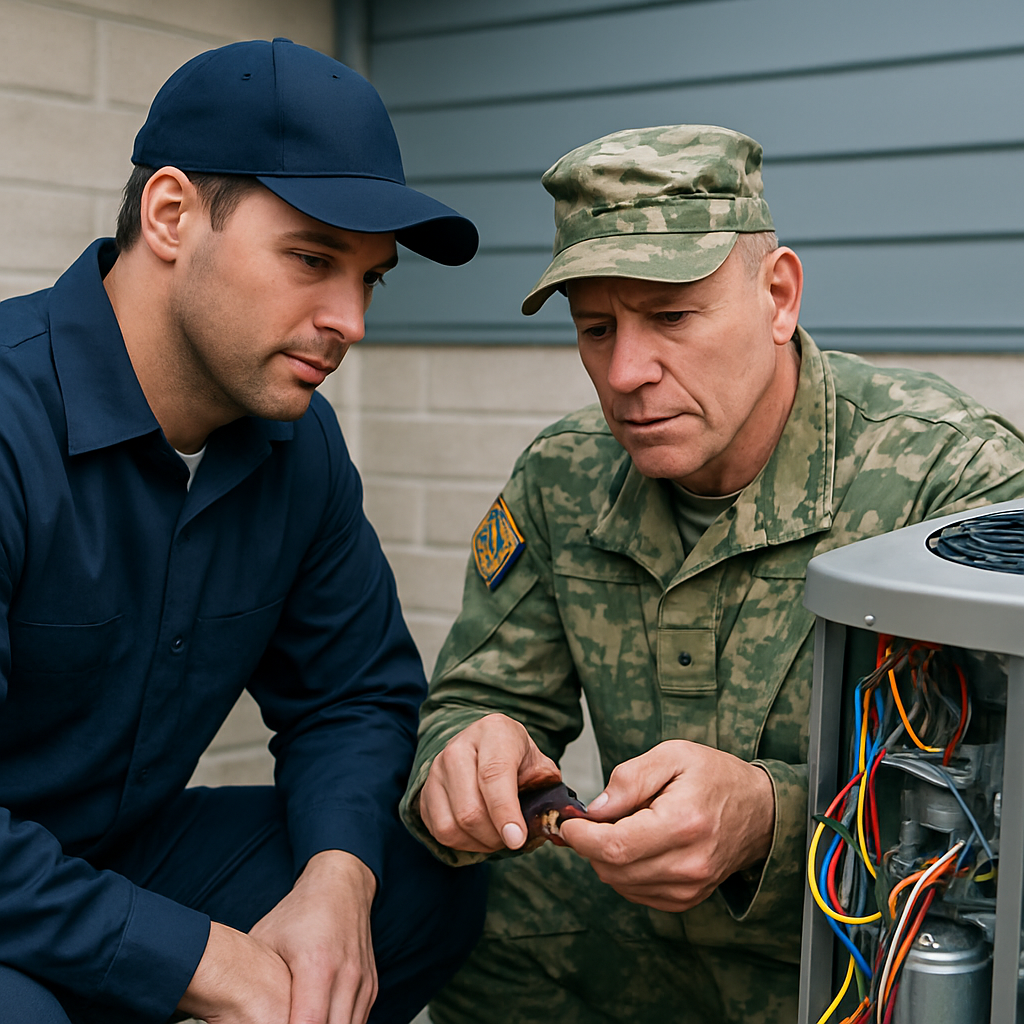
Transitioning from military service to civilian life calls for a career that values discipline, problem-solving, and a commitment to mission success. The heating, ventilation, and air conditioning field delivers exactly that. With strong national demand, evolving technology like high-efficiency heat pumps, and clear certification pathways, HVAC training for veterans offers a direct route to stable, well-paid, and meaningful work. The right program goes beyond textbooks, blending hands-on labs with real diagnostic practice so graduates can walk onto a job site ready to perform quality installation and service from day one.
Veterans bring unmatched strengths to the trade: attention to detail, safety-first habits, leadership, and the ability to follow procedure in complex environments. Training that recognizes those assets—while teaching system design, airflow fundamentals, refrigerant charging, and furnace operation—creates a runway to certifications, fast promotions, and long-term advancement. Whether aiming to become a residential installer, a heat pump specialist, a commercial service technician, or a future foreman, military experience translates powerfully into HVAC success.
Why HVAC Is a Smart Career Move for Veterans
HVAC is essential infrastructure, making it a resilient and portable career across states and regions. As homes and businesses upgrade toward higher efficiency and electrification, demand for technicians skilled in commissioning, airflow balancing, and advanced heat pump diagnostics continues to climb. That means more job postings, more overtime opportunities, and a defined ladder from entry-level installer to lead tech or operations manager. For those who value a clear mission, a service call provides immediate purpose: assess the problem, stabilize the situation, restore comfort, and verify performance with data.
The work aligns naturally with military strengths. Veterans are trained to follow checklists, think critically under pressure, and execute procedures precisely. In HVAC, those strengths show up when charging a system by superheat or subcooling, verifying total external static pressure, performing controlled brazing, and documenting the job with measurements that prove the equipment is operating to spec. A technician who treats every install like a mission—planning the layout, verifying duct sizing, and confirming airflow with readings—quickly stands out and earns trust with both customers and employers.
Compensation pathways are transparent. With certifications like EPA 608 and strong fundamentals in furnace operation, heat pump commissioning, and electrical troubleshooting, new technicians can progress rapidly. The field is also friendly to leadership growth; team leads coordinate crews, oversee quality, and mentor apprentices—roles where NCOs and petty officers feel right at home. As expertise grows, career options broaden: residential replacement, light commercial service, building performance, controls and automation, or even launching a small contracting business. Because HVAC is needed everywhere—from small towns to large metros—veterans gain flexibility to live where they choose without sacrificing opportunity.
Most importantly, the work is hands-on and impactful. Restoring heat during a winter storm or bringing a mission-critical server room back online is tangible, respected service. For many former service members, that sense of accomplishment is invaluable. And because the trade is increasingly data-driven—think static pressure profiles, refrigerant pressure-temperature relationships, and airflow diagnostics—technicians can blend practical skills with technical analytics, creating a career that challenges both mind and hands.
What to Look for in Veteran-Focused HVAC Training
Not all HVAC programs are created equal. The best veteran-focused training mirrors the structure and rigor veterans know well: clear objectives, measurable outcomes, and live practice under supervision. Look for a curriculum that starts with safety and core refrigeration theory, then builds into electrical fundamentals, refrigerant charging by method, and combustion air and venting. From there, it should progress to system design essentials—load calculations, duct design basics, and an understanding of static pressure—before moving into advanced topics like airflow diagnostics, zoning strategy, and high-efficiency heat pumps.
Hands-on labs are non-negotiable. You should be putting gauges on live systems, wiring control boards from schematics, measuring static pressure with a manometer, verifying temperature rise on furnaces, and performing commissioning checklists that mirror real job tickets. Blended learning that pairs online modules with in-person practice helps reinforce theory between lab days, making it easier to absorb concepts at your own pace. Small cohorts, practical assessments, and instructors with recent field experience ensure you’re learning techniques and standards that today’s employers expect.
Career readiness matters just as much as technical skill. Choose programs that prep for EPA 608 and provide practice aligned with industry-recognized exams. Resume workshops, interview coaching, and employer ride-alongs or apprenticeships accelerate hiring. Meanwhile, credit for prior learning can recognize military occupational specialties that already touch mechanical, electrical, or environmental systems. Many veteran-friendly schools help navigate funding options such as GI Bill benefits, Veteran Readiness and Employment (VR&E), or service-specific credentialing assistance where eligible; some also partner with base transition programs and offer evening or weekend schedules for Guard and Reserve members balancing drills and family life.
Finally, evaluate the program’s commitment to quality installation. Training should emphasize verification over guesswork: measuring total external static pressure, confirming airflow targets, validating charge by the correct method, and documenting system performance to manufacturer specifications. Those habits directly reduce callbacks and build a reputation for craftsmanship. For a deeper look at how a practical, career-first approach comes together, explore this option for HVAC training for veterans that emphasizes real-world labs, system design, and job-ready preparation.
Real-World Pathways: From First Tools to Field Leadership
Every military background brings a different starting point, so strong HVAC programs meet learners where they are and map a route to goals that match their experience. Picture a former infantry squad leader stepping into a 12-week fundamentals bootcamp. Week by week, they master electrical safety, read wiring diagrams, build practice control circuits, and learn refrigerant behavior under changing load conditions. By midterm, they’re checking superheat and subcooling on live trainers, measuring total external static pressure, and identifying airflow restrictions. The capstone includes installing and commissioning a heat pump with duct modifications, recording data points that prove the system is performing to design—a portfolio piece that speaks loudly in interviews.
Or consider a Navy refrigeration technician who already knows compressors and evaporators but wants to pivot into residential high-efficiency retrofits. A targeted track in modern inverter heat pumps, zoning applications, and duct optimization can turn existing mechanical knowledge into immediate job-site leadership. Because the residential environment adds customer interaction and home performance considerations, training that covers load calculation basics, duct design principles, and static pressure mapping fills the gaps and accelerates the transition to a lead role.
Flexible formats serve those balancing civilian work and service obligations. A Guardsman might choose an evening and weekend schedule that layers online theory with on-campus labs, enabling steady progress toward EPA 608 and NATE-ready competencies without disrupting drill weekends. Meanwhile, veterans eyeing business ownership can stack advanced courses—controls integration, commissioning protocols, and sales ethics—on top of core skills, positioning themselves to supervise crews, manage quality, and eventually open a shop known for verified performance rather than quick installs.
Real-world outcomes demonstrate the model. One veteran shared how methodical airflow training changed everything: after learning to use a manometer and interpret readings, they discovered half their no-cool calls were actually low-airflow issues, not refrigerant problems. Callback rates dropped, customer reviews improved, and the employer took notice—leading first to a lead-tech appointment and later to a field trainer position. Another graduate, who began as a helper, leveraged furnace fundamentals and heat pump commissioning expertise to spearhead seasonal changeouts. Within a year, they were mentoring new hires on brazing technique, evacuation best practices, and documentation standards.
Quality-focused habits pay compounding dividends. When technicians verify airflow before charging, size ducts with basic design rules rather than guesswork, and document temperature split and pressure readings, systems perform better, homeowners are happier, and employers reward consistency. Veterans thrive in this environment because it mirrors the operational discipline they already know: do the pre-check, execute the task, validate the outcome, and debrief for continuous improvement. With each successful service call or installation, confidence grows—and so does the path to foreman, trainer, or project manager. In a trade that rewards accountability and precision, HVAC training for veterans becomes more than education; it’s a bridge to leadership in an essential industry.

Sofia-born aerospace technician now restoring medieval windmills in the Dutch countryside. Alina breaks down orbital-mechanics news, sustainable farming gadgets, and Balkan folklore with equal zest. She bakes banitsa in a wood-fired oven and kite-surfs inland lakes for creative “lift.”


Post Comment