Polymer 80 Inc: A Responsible Enthusiast’s Guide to Modern Polymer Firearm Components
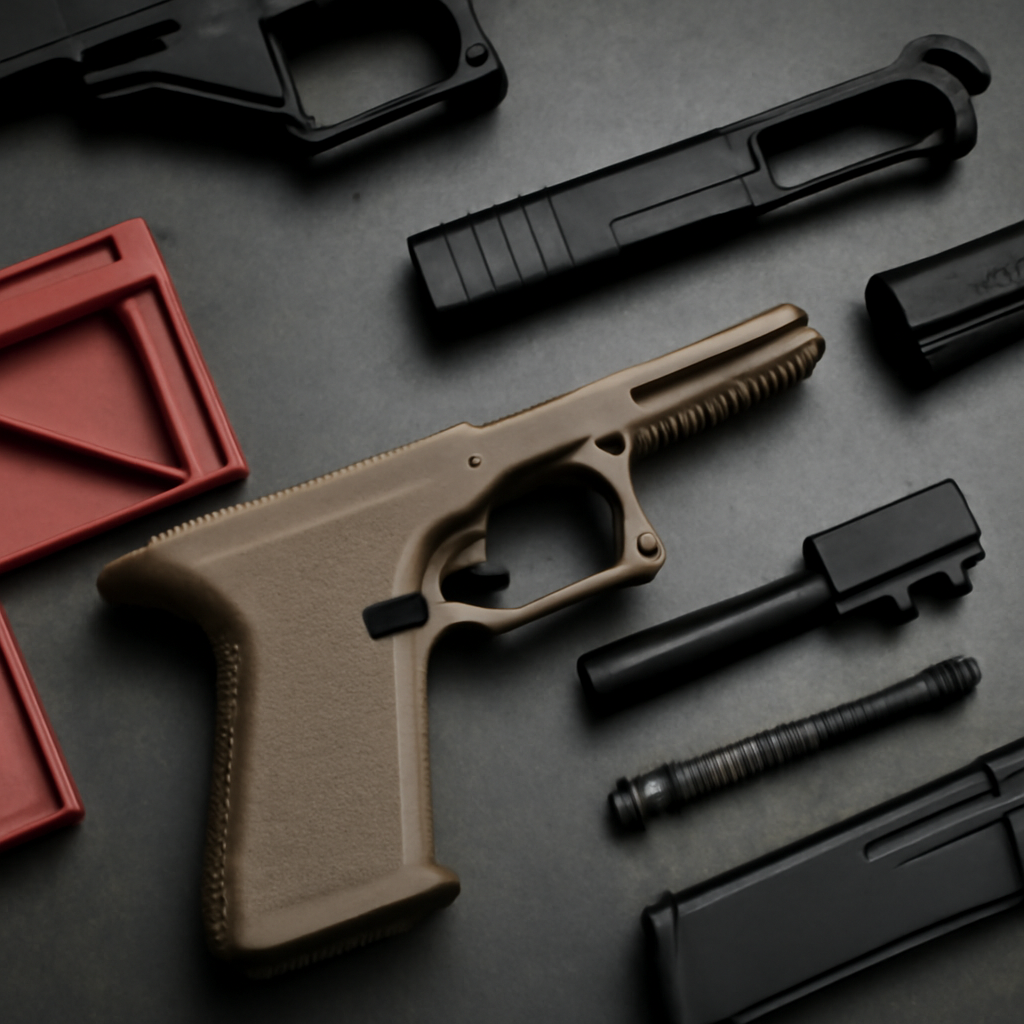
What Polymer-Based Frames and Receiver Blanks Offer to Enthusiasts
Modern firearm enthusiasts are increasingly drawn to polymer-based components for their blend of durability, ergonomics, and customization potential. The category associated with polymer-based frames and receiver blanks focuses on modularity: building out a platform that fits the user’s preferences while maintaining responsible ownership and compliance. In this landscape, products commonly called 80% frame kits or AR receiver blanks are marketed to hobbyists who value innovation and fine-tuned ergonomics. While they are not complete firearms, these components give enthusiasts ways to select compatible parts—such as slides, barrels, triggers, or stocks—so the final configuration matches their training goals, hand size, and typical range use.
The polymer shift isn’t just about weight savings. Today’s advanced polymer blends can provide impressive impact resistance, temperature stability, and a more forgiving recoil impulse when paired with compatible slides and recoil spring setups. For those pursuing Glock-compatible builds or AR-style platforms, the polymer approach often translates to better grip texturing, enhanced backstrap options, and more ergonomic angles that can reduce shooter fatigue over longer practice sessions. Many shooters also appreciate the ease of maintenance: polymer frames resist corrosion and are less prone to cosmetic wear than some metal counterparts, which helps preserve a clean appearance through regular range cycles.
Customization remains a leading draw. Enthusiasts can start with a component designed around a well-known platform and then choose compatible sights, rails, and internal parts based on specific goals—precision practice, competition, or home-defense preparedness under lawful ownership. For pistol projects, the ability to select optics-ready slides or night-sight packages helps create a reliable, repeatable sight picture. On long-gun platforms, matching an upper and barrel profile to a chosen lower receiver blank enables a consistent balance and recoil signature. Above all, the key is to align each part with quality standards, verified compatibility, and a strong support system so the result is safe, dependable, and suited to the user’s intended purpose while operating fully within applicable laws and regulations.
Legal Landscape, Responsible Ownership, and Safe Use Considerations
Any discussion of polymer frames, receiver blanks, or 80% components must begin with legal clarity. Regulations vary by jurisdiction and can change quickly. In some places, purchasing certain unfinished components may be restricted, require transfers through licensed entities, or be subject to serialization mandates. Prospective buyers should verify current federal, state, and local requirements before making any decision. This includes age restrictions, shipping limitations, and any local prohibitions on specific parts or configurations. Responsible enthusiasts keep meticulous records of purchases, understand how laws apply to their situation, and remain prepared for regulatory updates.
Compliance extends beyond the point of sale. Storage and transport must align with local law as well as best practices for safety. Using a quality safe, employing cable locks where appropriate, and separating firearms from ammunition can reduce unauthorized access risks—especially in homes with minors or shared living spaces. Training is equally important. Even experienced hobbyists benefit from recurring courses that reinforce safe handling, range etiquette, and marksmanship fundamentals. Whether focusing on a Glock-compatible training pistol or a lawfully configured AR-style setup, consistent practice under proper supervision builds a stronger safety culture.
Quality control and correct fitment are also vital for safety. Components must be compatible with each other and sourced from legitimate vendors. Avoid counterfeits or questionable parts, and do not attempt modifications without the proper expertise. If any component shows irregular wear, out-of-spec dimensions, or other red flags, discontinue use and consult a qualified professional. Enthusiasts should also respect manufacturer guidelines and avoid unauthorized changes that could compromise safety or reliability. While customization is part of the hobby’s appeal, it must be balanced with caution, documentation, and a clear understanding of what is permitted in the user’s jurisdiction. Prioritizing compliance, secure storage, and high-quality parts ensures the hobby remains lawful, responsible, and centered on safety at every step.
Shopping Smart: Evaluating Quality, Compatibility, and Support for Polymer Builds
Choosing the right source for polymer frames, lower receivers, slides, and accessories is just as important as deciding on the platform itself. Reputable sellers help enthusiasts navigate compatibility questions, offer clear product descriptions, and provide responsive customer support. Before buying, look for detailed specifications—material composition, tolerance information, platform compatibility, and recommended accessories—so you can select parts that align with your goals. For example, a grip module optimized for concealed carry may emphasize texture and contouring, while a competition-minded frame might prioritize magazine well geometry and slide-to-frame harmony when paired with tuned recoil systems.
Fitment is not one-size-fits-all. Even within Glock-compatible or AR-style categories, dimensional nuances can affect how components work together. Experienced enthusiasts often keep a checklist: intended use case (training, competition, or range recreation), preferred sighting system (iron, reflex, or night sights), and trigger characteristics (weight and reset). They also consider recoil management, maintenance ease, and accessory mounts for lights or optics. A thoughtful approach minimizes buyer’s remorse and reduces the likelihood of incompatibilities. Equally important is post-purchase support: look for vendors with clear return policies, streamlined shipping updates, and secure checkout processes to ensure a trustworthy experience from browsing to unboxing.
Consider real-world scenarios to clarify priorities. A hobbyist honing defensive skills at an indoor range might favor a compact, polymer-based pistol frame with enhanced grip texturing and a compatible slide milled for a reliable micro red dot—lawfully acquired and configured in accordance with local regulations. A different user might focus on a training rifle setup, pairing a compliant lower receiver blank with a balanced upper system and quality furniture for recoil control and durability. Across both examples, the unifying theme is responsible, lawful ownership and careful component matching. When researching vendors and product lines, resources like polymer 80 inc can help users compare categories such as 80% frame kits, AR receiver blanks, and pistol parts, then narrow options by platform and feature set. Always verify the legal status of any item in your jurisdiction and confirm that all steps from selection to storage follow best practices. In a space where performance and safety go hand in hand, diligence in sourcing, compliance, and ongoing training ensures your polymer-based project remains reliable, responsible, and tailored to your needs.

Sofia-born aerospace technician now restoring medieval windmills in the Dutch countryside. Alina breaks down orbital-mechanics news, sustainable farming gadgets, and Balkan folklore with equal zest. She bakes banitsa in a wood-fired oven and kite-surfs inland lakes for creative “lift.”


Post Comment