Roofing Cedar Park: Weather-Ready, Energy-Smart Solutions for Homes and Businesses
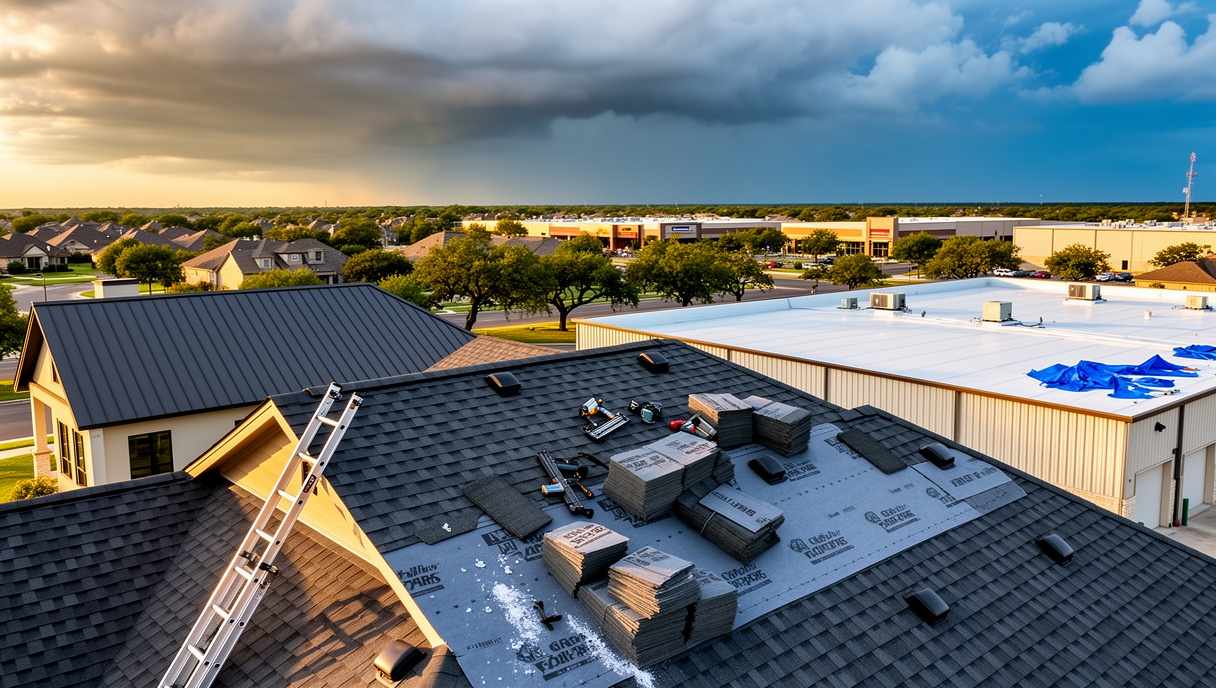
Weather-Tested Roofing for Cedar Park’s Heat, Hail, and High Winds
Cedar Park sits at the edge of the Texas Hill Country, where long, sunbaked summers, sudden hailstorms, and gusty spring fronts can punish a roof faster than many property owners realize. Choosing the right system—and installing it correctly—makes all the difference. Local conditions favor materials that can stand up to ultraviolet exposure, thermal expansion and contraction, and wind-driven rain. For many residential properties, impact-rated asphalt shingles (often Class 4) deliver a smart blend of affordability and storm resilience. They’re designed to help resist hail strikes and shingle granule loss, which can otherwise accelerate aging in our hot, sunny climate. On steep-slope homes, standing seam metal roofing is another standout, reflecting heat, interlocking for superior wind resistance, and often lasting decades with minimal maintenance.
Commercial and industrial buildings across Cedar Park, Leander, and Round Rock frequently rely on flat roofing systems like TPO, PVC, or modified bitumen. These membranes can be specified in reflective, “cool roof” colors that reduce rooftop temperatures and help HVAC systems run more efficiently—an advantage when summer highs linger near triple digits. Properly designed drainage is critical too; when heavy thunderstorms roll through, scuppers, internal drains, and tapered insulation must work together to prevent ponding water that can compromise seams and lead to leaks.
Under the surface, details matter. High-temperature synthetic underlayments hold up better beneath metal and dark shingles, especially on south- and west-facing roof planes. Flashing around chimneys, skylights, and wall transitions must be integrated shingle-by-shingle or panel-by-panel, not “caulked over.” In our area, well-balanced attic ventilation—continuous soffit intake paired with ridge exhaust—helps manage moisture and sheds heat before it can cook roofing from below. Pair that with radiant barriers or improved insulation, and you can often see meaningful comfort and energy improvements inside the building.
Working with a team that knows local building practices, neighborhood HOA expectations, and the tempo of Central Texas weather makes planning and execution smoother. Whether upgrading to metal, re-roofing an aging asphalt system, or restoring a commercial membrane after a storm, look for a partner focused on materials, methods, and maintenance tailored to Cedar Park’s climate. For property owners comparing options or scheduling an inspection, it’s helpful to start local with Roofing cedar park, a resource aligned with the needs of Williamson County and the Austin Metro.
From Inspection to Installation: How a Pro Roofing Team Protects Your Property
A durable roof starts with a detailed assessment. In Cedar Park, a thorough inspection includes more than a quick glance at shingles or seams—it should review decking condition, attic ventilation, flashing integrity, skylights and penetrations, gutter performance, and signs of hail bruising or wind uplift. Infrared or drone-assisted reviews can support findings, but time on the roof and inside the attic remains essential. After documenting issues with photos and notes, a qualified roofer explains the repair-versus-replacement path, material options, and expected lifespan based on local stressors like heat cycles and hail exposure.
When restoration or roof replacement is chosen, a structured process helps minimize disruption. Before tear-off, crews protect landscaping and set up debris control. On steep-slope homes, quality contractors replace damaged decking and install leak barriers in valleys and around penetrations. For metal roofing, they’ll use high-temperature underlayment, verify panel layout for thermal movement, and specify fasteners and clips designed for Texas heat swings. On commercial roofs, they prep the substrate, correct ponding areas with tapered insulation, and weld or adhere membranes to manufacturer standards—key to preserving warranties and long-term performance.
Storm response is another pillar of professional service in our region. After hail or wind events, timely temporary measures—such as tarping, resealing flashings, or securing loose panels—prevent collateral damage. Skilled teams document impacts thoroughly, which can streamline insurance conversations. Once permanent work is underway, jobsite cleanliness and safety matter: magnetic sweeps for nails, clear walk paths, and daily status updates keep projects efficient and neighbors happy.
Quality control closes the loop. A conscientious roofer performs a final walk-through, checks flashing terminations, tests gutters and downspouts for clear flow, and reviews ventilation performance. They’ll also explain maintenance schedules, material care guidelines, and the warranty terms you can expect. The result is a roof that’s not just installed, but truly integrated with the property—built to meet the demands of our local climate while supporting energy efficiency and curb appeal.
Local Case Studies, Maintenance Tips, and Smart Upgrades
Real-world examples across Cedar Park and nearby communities show how tailored solutions pay off. Consider a single-family home near the 183A corridor that had repeated shingle loss after windy spring fronts. Replacing builder-grade shingles with Class 4 impact-rated shingles, adding a high-temperature underlayment, and balancing attic ventilation dramatically reduced wind-related issues and kept the attic cooler in peak summer. The homeowners noticed fewer hot spots inside and improved HVAC performance during afternoon highs.
In a Round Rock retail center with recurring leaks, the cause wasn’t just age—it was ponding on a low-slope roof. The fix included a new TPO roof with tapered insulation to promote drainage, reinforced perimeter edge metal to resist wind uplift, and a reflective membrane to reduce heat gain. The result: no more wet ceiling tiles, and more stable indoor temperatures. For a Georgetown warehouse, a roof coating restored UV protection and extended service life without a full tear-off—an effective option when the existing membrane is fundamentally sound but sun-worn.
These outcomes share a pattern: solutions that match the building’s use, orientation, and exposure to Cedar Park’s weather perform best. Homeowners often ask what upgrades deliver the biggest local benefits. A few standouts include: Class 4 shingles or standing seam metal for hail and wind resilience; high-temp synthetic underlayment to handle heat; ridge-and-soffit ventilation for attic health; and properly flashed penetrations to keep driving rain out. For flat roofs, bright, reflective membranes and strategic use of tapered insulation cut cooling loads while improving water flow.
Maintenance plays a crucial role in long-term performance. Plan seasonal inspections—after major storms and at least once before peak summer—to catch issues early. Keep gutters clear so water doesn’t back up under shingles or over fascia. Trim oak and cedar branches away from the roof to reduce abrasion and debris. Watch for warning signs: granules in gutters, curled or missing shingles, bubbling on membranes, rust at fasteners, or stained decking in the attic. On commercial structures, look for seam wear, loose edge metal, and areas where foot traffic is common; walkway pads can prevent damage around HVAC service paths.
Finally, choosing a roofing partner is about more than price. Seek out insured, locally established teams with strong references in Cedar Park, Leander, and Williamson County. Ask about material specifications, crew experience, manufacturer training, and post-installation support. Clear proposals should outline scope, ventilation strategy, flashing details, and cleanup practices. When the approach is transparent and the system is designed for Central Texas conditions, you gain more than a new roof—you secure a durable, energy-smart shield for your property that’s ready for heat, hail, and high winds.

Sofia-born aerospace technician now restoring medieval windmills in the Dutch countryside. Alina breaks down orbital-mechanics news, sustainable farming gadgets, and Balkan folklore with equal zest. She bakes banitsa in a wood-fired oven and kite-surfs inland lakes for creative “lift.”


Post Comment