Build Your Own Rig with SIMGASM: Turn Torque into Lap Time
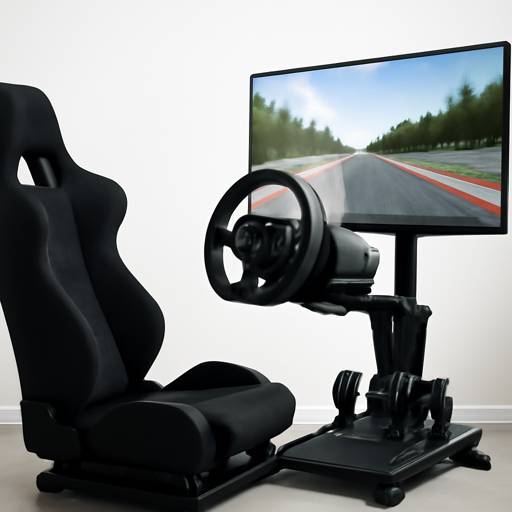
Why a rigid, customizable sim racing rig changes everything
Every millimeter of unwanted movement between your hands, the pedals, and the screen erodes confidence. That’s why a purpose-built, rigid sim racing cockpit is the foundation of pace and consistency. When you start pushing high-torque direct drive wheelbases and heavy load-cell brakes, a desk or flimsy stand becomes the weakest link. The result is flex, oscillation, and noisy feedback that muddies your inputs. A cockpit engineered to be rock-solid under stress translates your intention into motion with clarity. You feel the tire loading, the curb strike, and the onset of slip with the definition your instincts need to react fast.
Stability matters most when the session heats up. In a longer race stint, you’ll notice how consistent feedback shortens your mental gap between what you feel and how you respond. Without flex, your braking markers stabilize because the pedal travel is repeatable; without micro-movements in the wheel mount, the FFB signal isn’t filtered by a rattling frame. That reliability improves muscle memory, especially through sequences that demand rhythm, like the esses at Suzuka or the exit of Eau Rouge where steering load and throttle timing have to be in sync.
For many drivers, a great rig isn’t only about performance; it’s also about personalization—expressing a look and feel that energizes your practice sessions. That could mean a minimalist black chassis that disappears in the room, or bold accent plates and cable-routing flourishes that showcase your hardware. A modular cockpit designed for customization lets you place peripherals where they naturally fall to hand. Shifter on the right or left, handbrake forward or back, keyboard on a swing arm, button boxes at a perfect angle—each detail reduces friction and keeps your focus on the track.
Modern sims and higher torque levels have raised the bar. It’s no longer enough to clamp a base and hope for the best. A zero-compromise frame that resists twisting under steering spikes and braking surges is essential if you want your inputs—and your telemetry—to mean something lap after lap. With a chassis purpose-built for high-torque direct drive systems, the rig becomes the silent partner in your performance: no drama, no surprises, just stability under pressure.
A practical blueprint: components, compatibility, and setup to build your own rig with SIMGASM
Begin with the frame. Look for a cockpit that pairs a heavy-duty wheel mount with triangulated structure around the uprights and pedal tray. The goal is straightforward: no flex at the wheel under peak torque and no pedal plate bowing under maximum brake load. A robust pedal deck with adjustable tilt and fore–aft travel lets you dial in ergonomics and stiffness. If you intend to run >15 Nm wheelbases and stiff load-cell or hydraulic brakes, prioritize bracing and high-strength fasteners that won’t loosen through long stints.
Next, select the controls. For the wheelbase, match a mount rated for your torque class and ensure easy height and depth adjustment to position the rim where your shoulders relax and your elbows maintain a slight bend. For pedals, consider your braking style. A stiff, progressive load cell encourages trail-brake finesse and reduces the tendency to over-rotate at corner entry. If you run an H-pattern shifter or handbrake, use adjustable accessory mounts that keep everything within a natural reach envelope—ideally without compromising knee clearance during heel-and-toe maneuvers. Add a keyboard tray, cup holder, and headset hook to streamline your cockpit workflow.
Displays come next. A triple-monitor mount with independent lateral and tilt adjustment lets you align bezels tightly for accurate field of view, while a single ultrawide mount keeps rig mass lower for smaller spaces. Keep center-screen height just below eye-level to reduce neck strain and control horizon line stability. If you prefer VR, ensure the cockpit has unobstructed head movement space and practical cable routing so the tether doesn’t snag on the wheel or seat back.
When you’re ready to assemble, plan the process. Pre-sort bolts and washers; loosely fit sections, then square and tighten from the base up. Torque the wheel mount last after checking rim position in your natural driving posture. Route cables early with velcro ties and rigid clips on the underside of cross beams to avoid pedal interference. Test FFB at maximum settings to confirm there’s no rattle or creak, then run a few hot laps to verify repeatable pedal feel. This is the moment where an engineered cockpit shines—when your lap traces get smoother because the hardware disappears beneath you.
If you want a single, streamlined path from idea to track-ready setup, you can Build your own rig with SIMGASM and configure a chassis that starts rigid and grows with your ambitions. Choose a core frame rated for high-torque wheelbases, add pedal, shifter, and handbrake mounts, then tailor monitor supports and seat options to fit your space. By pairing a sturdy base with thoughtful accessories, you avoid wasting budget on upgrades that only paper over flex points. You get a cockpit that’s both performance-first and unmistakably yours.
Ergonomics, tuning, and future‑proof upgrades for competitive pace
Ergonomics transform a fast rig into a fast driver. Start with seat position. For GT-style seating, aim for a neutral hip angle with shoulders relaxed into the backrest; the wheel should be close enough that your elbows are slightly bent at full lock, ensuring fine control without overreaching. Pedal spacing should allow the ball of your foot to rest fully on the brake with your heel supported, while the throttle sits just low enough for smooth blips during downshifts. A firm seat with lateral support improves proprioception in long races, helping you sense rotation and subtle grip changes through your core, not just your hands.
Fine-tuning the force feedback profile is the next win. Let the chassis’ stiffness carry the detail, then shape the signal. For high-torque bases, set overall strength to a level that preserves micro-detail without fatiguing your forearms; trim only clipping and oscillation, avoid heavy filtering that masks texture. Align spring and damper values across cars to maintain a consistent “language” between vehicles. On the pedal side, increase brake pre-load until you can hit your personal maximum pressure quickly without locking up; then use trail pressure cues—hums, road rumble, or chassis pitch from visuals—to smooth release into apex. Because a solid rig transmits detail cleanly, small tuning changes become easier to feel and replicate.
Future-proofing keeps your investment relevant. If you start with an 8–12 Nm wheelbase and later move to 20–25 Nm, the cockpit should absorb that jump without rework. Look for expandable accessory rails and extra mounting points so you can add a sequential shifter, handbrake, button boxes, or a second input deck for rally and truck sims. For screens, choose a monitor stand that supports wider triples or heavier ultrawides so you aren’t boxed in when it’s time to upgrade. Cable pass-throughs, tucked power bricks, and protected pedal wiring keep everything serviceable and safe when you swap components.
Consider a few real-world setups as inspiration. A compact apartment layout might pair a rigid base frame with a single 34–38 inch ultrawide, a medium-torque direct drive base, and a 100 kg load-cell brake. The emphasis is on footprint efficiency and quiet operation, with rubber feet and careful cable management to keep things tidy. A weekend league racer might step up to triple 32-inch monitors, a 15–20 Nm wheelbase, and a stiffer pedal stack with an adjustable heel plate; the rig gets a keyboard swing arm and a side-mount shifter with a rear brace to resist lateral loads. For an endurance-focused driver, add a reclining seat with lumbar support, a button box angled 15 degrees toward the wheel, and a high-mass pedal deck so long stints don’t induce flex fatigue.
Style is the final touch that turns a cockpit into a place you want to spend time. Accent panels, colored brackets, or laser-etched plates can echo your team colors. LED bias lighting behind the monitors reduces eye strain and adds a professional vibe without glare. A clean cable spine and labeled ties make maintenance painless when new gear arrives. Through it all, the heartbeat remains the same: a stability-first chassis designed to handle modern torque and braking forces while giving you the freedom to tailor feel and function. When the rig disappears and the car comes alive, you’ll know the build has done its job—letting your focus lock onto the next braking point, the next curb, the next tenth.

Sofia-born aerospace technician now restoring medieval windmills in the Dutch countryside. Alina breaks down orbital-mechanics news, sustainable farming gadgets, and Balkan folklore with equal zest. She bakes banitsa in a wood-fired oven and kite-surfs inland lakes for creative “lift.”


Post Comment