Discover an Early Learning Center in Alexandria That Sparks Curiosity and Confidence
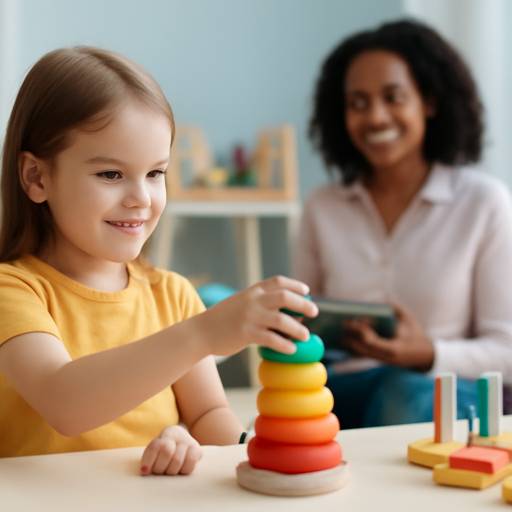
Why choosing the right early learning center in Alexandria matters
In the first five years of life, a child’s brain forms more than a million neural connections every second. That extraordinary growth is why selecting an early learning center in Alexandria is one of the most meaningful decisions a family can make. The right environment does more than provide care; it fosters language, social-emotional development, problem-solving, and a lifelong love of learning. Families in Alexandria often juggle busy schedules and diverse needs, so a center that blends nurturing relationships with a research-informed, play-based learning approach can make each day feel intentional and joyful for children and convenient for caregivers.
High-quality early childhood programs balance structure with flexibility. Teachers design experiences that help infants build secure attachments, toddlers explore independence, and preschoolers develop school readiness skills in literacy, math, science, and self-regulation. Small group sizes and warm, responsive interactions give children confidence to try new things, express ideas, and collaborate with peers. When educators observe closely and adapt activities to each child’s interests, curiosity naturally leads the way—blocks become a lesson in physics, dramatic play becomes storytelling, and a nature walk turns into an inquiry about habitats and seasons.
Families benefit from clear communication and collaborative goal-setting. Look for daily updates, photos, or notes that capture your child’s milestones and emerging interests. Centers that embrace a partnership mindset often invite parents to share cultural traditions, participate in classroom projects, and celebrate successes. Local programs, including community-focused options like Rainbow Early Learning Center, typically connect learning with neighborhood resources—parks, libraries, and seasonal events—so children feel rooted in Alexandria’s vibrant community. If you’re comparing options, explore an early learning center in Alexandria that emphasizes joyful discovery and family partnership.
Practical details matter, too. Consider convenient drop-off and pickup procedures, healthy meal options, nap routines, and consistent safety practices. Ask about staff credentials, ongoing professional development, and child-to-teacher ratios. Licensing, accreditation, and transparent policies around health and sanitation offer extra peace of mind. When these elements align under a child-centered, play-based philosophy, children thrive—developing empathy, resilience, and the problem-solving skills that pave the way for success in kindergarten and beyond.
What a high-quality Alexandria early learning experience looks like
A great early childhood classroom hums with purposeful play. You’ll see activity stations—blocks, art, sensory bins, music, and a cozy reading nook—designed to support exploration and choice. Teachers guide learning through open-ended questions: “What do you notice?” “How could we solve this?” “What happened when we tried it a different way?” This approach builds critical thinking while honoring each child’s pace. In a play-based learning environment, math lives in patterns and sorting, science in experiments and nature study, literacy in songs, storytelling, and emergent writing. The focus is on process over product, ensuring children gain confidence along with skills.
Social-emotional learning is woven into daily routines. Younger children practice turn-taking and naming feelings, while preschoolers learn to negotiate roles during collaborative play and use words to resolve conflicts. Teachers model empathy and help children develop self-regulation strategies—deep breathing, quiet corners, and visual schedules that make transitions predictable. When children feel emotionally safe, they are freer to take intellectual risks, ask questions, and persist through challenges—cornerstones of early childhood education that carry forward to elementary school.
Language and literacy flourish through conversations, read-alouds, and hands-on storytelling. You might see children “writing” shopping lists in dramatic play, labeling block structures, or dictating stories to an educator who transcribes their words. These authentic literacy experiences—paired with phonological awareness games, rhymes, and alphabet exploration—create a strong foundation for reading. STEM learning is equally embedded: children measure ingredients during cooking, test ramps and angles with cars, and observe how plants grow. Outdoor spaces extend the classroom, promoting gross motor development, environmental awareness, and imaginative play that reflects Alexandria’s community spirit.
Quality is also visible in routines and assessment. Daily schedules flow between active and quiet times, indoor and outdoor play, and individual, small-group, and whole-group experiences. Teachers observe and document progress—photos, work samples, and notes—then use that information to tailor next steps for each child. Inclusive practices ensure every learner is supported, with adaptations for different learning styles and abilities. Nutrition, rest, and safety are prioritized through balanced meals and snacks, cozy nap spaces, and vigilant health protocols. Families receive consistent communication about learning goals and ways to extend them at home, so the bridge between center and family life remains strong and supportive.
How to evaluate and enroll with confidence: a parent’s guide for Alexandria families
When touring programs, picture your child in the space. Are the materials accessible? Do children seem engaged and content? Observe teacher-child interactions—they should be warm, respectful, and responsive. Ask educators how they support transitions like moving up to a new classroom or starting preschool for the first time. A center that prioritizes relationships and routines will offer thoughtful onboarding: classroom visits, family conferences, and gradual start days that allow children to settle in at a comfortable pace.
Bring a tour checklist tailored to your family’s priorities. Consider hours that match your commute, flexible scheduling options, and transparent tuition policies. Ask about teacher qualifications, background checks, and ongoing professional development. Clarify child-to-teacher ratios and how the center supports behavior guidance through positive, developmentally appropriate strategies. Inquire about the curriculum framework—how it nurtures creativity, language, math, science, and social skills—and how progress is documented and shared. Consistent, meaningful communication through daily notes or a family app makes it easier to celebrate growth and address concerns quickly.
Look for evidence of strong safety and wellness practices: secure entry, clear illness policies, rigorous cleaning routines, and well-documented emergency procedures. Nutrition should be a point of pride—ask about menus that offer balanced choices and accommodate allergies or cultural preferences. Outdoor play spaces should be safe, engaging, and designed to encourage both physical challenge and imaginative exploration. Centers that integrate local excursions—library story times, neighborhood walks, or seasonal events—help children learn about their community and build a sense of belonging in Alexandria.
Consider a real-world scenario: A three-year-old who’s curious about construction spots a crane from the classroom window. In a high-quality program, that spark becomes a project. Teachers set up a building site in dramatic play, supply measuring tapes in the block area, read books about tools and bridges, and invite children to draw plans. Over a few weeks, children practice vocabulary, measurement, problem-solving, collaboration, and storytelling—all anchored in their genuine interest. This is the power of play-based, child-led learning: it transforms a moment of fascination into a rich, interdisciplinary study. As you compare options in Alexandria, prioritize centers that embrace this approach, engage families as partners, and create a joyful environment where children feel safe, capable, and excited to learn every day.

Sofia-born aerospace technician now restoring medieval windmills in the Dutch countryside. Alina breaks down orbital-mechanics news, sustainable farming gadgets, and Balkan folklore with equal zest. She bakes banitsa in a wood-fired oven and kite-surfs inland lakes for creative “lift.”

